close

April 2025

Shopping

The Guardian’s Guide to Timepiece Excellence: Why Authentic Service Matters

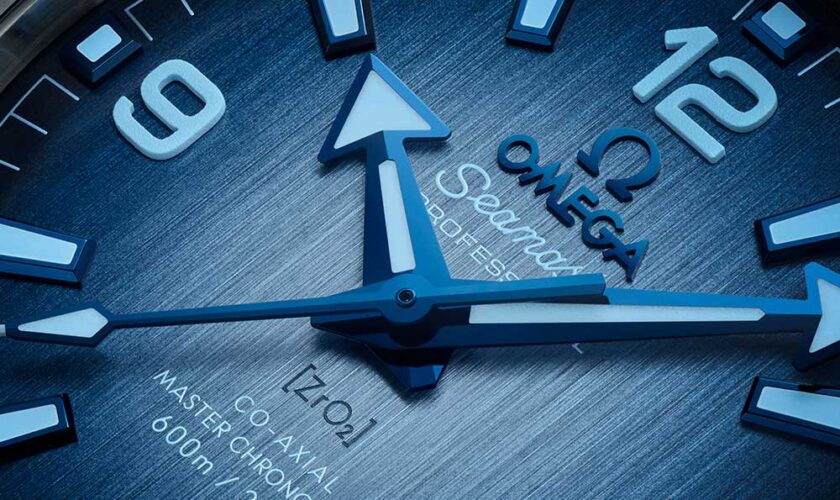
When your cherished timepiece requires attention, finding a reliable Omega service centre becomes a journey fraught with choices that extend far beyond mere convenience. The rhythmic pulse of your precision instrument, which has perhaps faithfully marked the significant moments of your life, deserves care that matches the craftsmanship embedded within its delicate mechanisms.

The Silent Language of Watchmaking

Luxury timepieces speak a language of their own—one of meticulous engineering, heritage, and artistry. They represent human ingenuity condensed into mechanical poetry, with hundreds of components working in harmonious synchronicity. This silent language requires translators skilled in its particular dialect, specialists who understand not just how these mechanisms work, but why they were designed with such exacting standards.

“Authentic service isn’t merely about restoring functionality—it’s about preserving the conversation between craftsperson and wearer that exists within every premium timepiece.”

The Invisible Deterioration

What Time Takes

Even when appearing to function perfectly, the interior of a precision watch undergoes subtle changes:

  • Lubricants gradually lose viscosity and effectiveness
  • Microscopic metal particles accumulate within the movement
  • Gaskets and seals imperceptibly harden and lose elasticity
  • Power reserve may diminish gradually before becoming noticeable
  • Timing accuracy drifts incrementally beyond perception

These invisible processes occur regardless of wear patterns, making regular service not merely reactive but preventative—an investment against the entropy that affects all mechanical systems.

The Service Journey Demystified

The Initial Assessment

Upon arrival at an authorised service centre, your timepiece undergoes a thorough examination. Specialists document its condition with photographic precision, noting everything from case scratches to movement particularities. This establishes a baseline that informs the service approach and provides transparency throughout the process.

The Complete Overhaul

A comprehensive service typically includes:

  • Full disassembly of the movement down to individual components
  • Ultrasonic cleaning in specialised solutions to remove old lubricants and residue
  • Inspection of each component under magnification for signs of wear
  • Replacement of worn parts with authorised components
  • Precise application of specific lubricants to different movement sections
  • Reassembly according to manufacturer specifications
  • Adjustment and regulation to ensure accurate timekeeping
  • Multi-stage testing for water resistance and performance

The Aesthetic Restoration

Beyond mechanical attention, premium service centres offer:

  • Case refinishing that respects original design contours
  • Bracelet restoration that maintains proper articulation
  • Crystal replacement or polishing as needed
  • Dial cleaning using non-invasive techniques

The Tropical Consideration

Singapore’s Unique Challenges

The city-state’s climate presents particular concerns for precision timepieces, creating a compelling case for specialised care.

Singapore’s combination of humidity and temperature fluctuations creates a particularly challenging environment for mechanical watches. What might be adequate service intervals elsewhere often need adjustment here, where environmental factors accelerate certain wear patterns.”

Authorised service centres in Singapore understand these regional factors and incorporate them into their maintenance approaches, ensuring timepieces remain protected against the island’s particular climatic challenges.

The Value Proposition

Beyond Repair to Preservation

Authorised service represents an investment that transcends immediate costs:

  • Documented service history substantially enhances resale value
  • Authentic components maintain the timepiece’s integrity and collectability
  • Preventive maintenance prevents more costly emergency interventions
  • Extended service intervals (typically 3-5 years) distribute costs over time
  • Preserved functionality ensures continuous enjoyment of the investment

For certain models with appreciation potential, proper service history can influence valuation by significant percentages, making authorized maintenance financially prudent beyond the immediate benefit of accurate timekeeping.

The Authenticity Question

The Genuine Article

Counterfeiting extends beyond watches themselves to the components used in their repair. Authorised centres guarantee:

  • Parts manufactured to identical specifications as the originals
  • Materials that match the watch’s original composition
  • Quality control processes mirroring production standards
  • Traceability of components with appropriate documentation

This authenticity preserves not just function but the intrinsic value that collectors and enthusiasts recognise in uncompromised examples.

The Ownership Experience

The Relationship with Time

For many, a fine timepiece represents more than a method of telling time—it becomes a companion through life’s journey, often with intentions of intergenerational passage. This relationship deepens through proper care.

The return of a freshly serviced watch often rekindles the initial excitement of ownership. The crisp click of the crown, the smooth sweep of the second hand, the precise alignment of date changes—these renewed experiences remind owners why they chose excellence in the first place.

The Service Timeline

While manufacturers typically recommend service every 4-6 years, individual circumstances may suggest different intervals. Factors to consider include:

  • Frequency of wear (daily versus occasional)
  • Environmental exposure (humidity, temperature fluctuations)
  • Complications (calendars, chronographs require more attention)
  • Observable performance changes (timing variations, winding resistance)

Rather than rigid adherence to calendars, attentive owners develop sensitivity to their timepiece’s subtle communications—the whispers of change that suggest maintenance before obvious symptoms appear.

For those who appreciate mechanical artistry and understand the investment dimension of fine horology, establishing a relationship with an authorised Omega service centre becomes not merely a practical necessity but an expression of the respect these remarkable creations deserve.

read more
Clothing

10 Leather Coat Styles Every Man Should Know

Leather coats are more than outerwear. They’re markers of identity, attitude, and presence. Worn right, they shift how a man enters a room. They don’t just cover the body—they say something about the man wearing them.

But not all leather coats speak the same language. Some whisper. Some shout. Some hold history. Others rewrite it.

Here are ten leather coat styles every man should know—what they are, where they came from, and how they still hold ground today.

  1. The Classic Trench

The leather trench coat carries the bones of military history. Long, double-breasted, belted at the waist, usually with wide lapels and a back vent. Originally made for British officers during the world wars, the trench offered weather protection and a sharp silhouette.

In leather, it becomes something else. More commanding. Less about rain, more about presence. It works over suits, but also with heavy knits or just a plain shirt and boots. The belt cinches the waist, adds shape, and keeps it tailored.

Black keeps it sleek. Brown gives it weight. Either way, it’s a coat that doesn’t fade into the background.

  1. The Double Rider (Perfecto)

This is the rebel coat. Cropped at the waist. Asymmetrical zip. Wide lapels. Snap collar. Belt at the bottom. Worn by Marlon Brando in The Wild One, later adopted by rock musicians and street punks.

The double rider doesn’t aim for polish. It leans into edge. The fit is snug, the leather thick. It was built for motorcycles, but found its place off the bike.

Goes best with jeans, plain tees, and boots. No shine, no frills. Just attitude wrapped in leather.

  1. The Moto Racer Jacket

Slim, fast, stripped-down. The moto jacket takes the core of motorcycle gear and cuts away everything extra. No belt. No flaps. Just a straight zip, minimal collar—sometimes none at all—and a close fit through the torso and arms.

It sits just above the hips. Feels aerodynamic, even when you’re standing still. Best in smooth, high-quality leather with a clean finish. Black is sharp. Deep oxblood or tobacco brings texture.

This is the modernist’s leather jacket. No nostalgia. Just clean lines and speed.

  1. The Car Coat

Born from early driving days, the car coat was made for open-air vehicles. Mid-thigh length, straight cut, and simple front—often with buttons or hidden snaps.

In leather, it’s clean but substantial. It doesn’t cling to the body. It moves with you. Works over denim or slacks, depending on the build. Some versions have quilted linings, others stay lightweight.

Great for everyday wear when you want a coat that doesn’t try too hard but still earns a second look.

  1. The Flight Jacket (A-2)

Originally issued to American pilots, the flight jacket is built with function in mind. Ribbed cuffs, waistband, and a zip front. No frills—just clean, military lines.

In leather, usually cowhide or goatskin, the flight jacket gains weight. Some come with shearling collars for warmth. Others stay minimal with a flat collar and two flap pockets.

It fits close but not tight. Goes with jeans, boots, and a sense of utility. Not trendy. Just classic.

  1. The Bomber Jacket (MA-1 Style)

A cousin to the flight jacket, the bomber pushes further into casual territory. Usually nylon, but leather versions take it up a notch.

Short, rounded shape. Zip front. Ribbed cuffs, hem, and collar. Often seen in black or dark brown, but works in suede too.

The bomber has range. Dress it down with joggers or elevate it with slim trousers and loafers. Either way, it holds its shape and gives the wearer one too.

  1. The Duster

Long. Weather-beaten. Full of movement. The leather duster was born from the Old West—worn by cowboys and ranchers to guard against dust and rain on the trail.

Today, it’s a statement. Often cut below the knees, sometimes with a back slit or shoulder cape. The fit is looser, built for layering. When made from distressed leather, it carries a rugged weight.

This is not a city coat. It belongs in open spaces, on motorcycles, or worn by someone who understands how to command a silhouette.

  1. The Field Jacket

Inspired by military designs, the leather field jacket is practical and sharp. Usually hip-length with multiple front pockets, button or zip closures, and sometimes a belted waist.

Brown leather suits this style best—gives it a lived-in look. Black versions can feel too severe unless styled right. Great for cooler weather, especially when layered with knits or heavy shirts.

Field jackets blur the line between rugged and refined. Worn right, they carry both.

  1. The Blazer

Yes, a leather blazer. Tailored like a suit jacket, but cut from leather instead of wool. Usually single-breasted with notched lapels. Some versions keep the buttons simple, others lean into sharp detailing.

It’s not for the shy. A leather blazer shifts a standard outfit into something with edge. Works with dark denim or dress pants. Needs the right fit—clean through the chest, slight taper at the waist, sleeve length dialed in.

Stick with black, chocolate, or deep tan. Avoid shine. Let the texture speak.

  1. The Shearling Coat

Heavy, warm, lined with lamb’s wool. The shearling coat pairs soft interior with rugged exterior. Leather on the outside, fleece on the inside. Sometimes the collar folds over. Sometimes it stands tall.

This coat works in deep winter. Thick leather blocks wind. The wool traps heat. Some come mid-length, others drop lower. All bring structure and presence.

Don’t layer too much underneath—it carries its own bulk. Let the coat do the work.

Final Notes on Fit and Function

No matter the style, the key to a good leather coat is fit. Leather doesn’t drape like cotton or wool. It needs shape. A coat that’s too loose feels boxy. Too tight, and it won’t move.

Always check shoulder seams and sleeve length. Make sure you can lift your arms without pulling at the chest. A little room is fine—especially for winter styles—but it should never look sloppy.

Leather takes time to break in. What feels stiff on day one might become your second skin after a few weeks. Good leather molds to you. Bad leather fights you.

Choosing the Right One

You don’t need all ten. Most men find one or two that match their life and style.

  • Want something tough and timeless? Go with the double rider or moto racer.
  • Need something more refined? Try the car coat or leather blazer.
  • Live somewhere cold? The shearling coat or long trench earns its keep.
  • Prefer utility? The field or flight jacket covers ground.
  • Ready for drama? Step into a duster.

Each coat carries a story. Some are quiet. Some are loud. But none are forgettable.

In the end, a leather coat isn’t just a layer. It’s a decision. One that speaks before you do.


read more
Fashion

Transform Your Short Hair with Ombre and Highlight Extensions

Short haircuts provide a blank canvas for creativity, and ombre or highlight extensions are ideal for experimenting. Want a dramatic transformation without having to commit dye permanently? Extensions could accentuate your current design by providing either subdued dimension or vivid color contrasts. Extensions can produce a beautiful ombre appearance for those with chin-length bobs, so smoothly combining your natural color with a lighter or brighter shade. If you have a pixie cut, think about frame your face with highlight extensions to accentuate your features. Easy clipping in and removal of these accessories lets you vary your appearance as much as you wish. Short hair gains a chic boost from ombre and highlight extensions, ideal for any occasion.

Adding Bold Ombre to Short Hair

Ombre hairstyles, which move from dark roots to lighter ends, are trendy for short hair. Using best extensions for short hair can help create this gradient effect seamlessly. Start with extensions that match your hair color at the clips and transition into a vibrant color at the bottom. Use bright blues, pinks, or purples for ombre for a dramatic look. Focus on the lowest layers of your hair when applying extensions to show the gradient look. Next, trim the extensions to fit your natural hair length. This ensures a precise blend, making the extensions look natural with your haircut. The stylish ombre effect will enhance your short hair.

Subtle Highlights for Dimension

Highlights extensions are a fantastic choice if you want a more subdued style. To create dimension and brightness, pick extensions one or two tones lighter than your original hair color. To replicate natural highlights, arrange the extensions around your face and throughout your hair deliberately. This style can give your short cut movement and provide the impression of fuller hair.

Choosing the Right Extensions

When choosing extensions for short hair, take length, color, and type into great thought. Choose extensions close in length to your natural hair to prevent a synthetic appearance. For color, either choose highlight extensions that accentuate your current hair color or match the base of the ombre extensions to your roots. Regarding the type, clip-in extensions are ideal for experimenting with several colors and designs since they are easy to put and remove.

Styling and Maintenance Tips

You should style your hair after adding your ombre or highlight extensions. To mix the extensions with your natural hair, straighteners or curling iron will help. Wash the extensions individually with a light shampoo and conditioner if you want them to last. Steer clear of too frequent heat styling tool use since this could damage the extensions. Your color-pop extensions will keep your short hair looking great for weeks to come with correct care.


read more