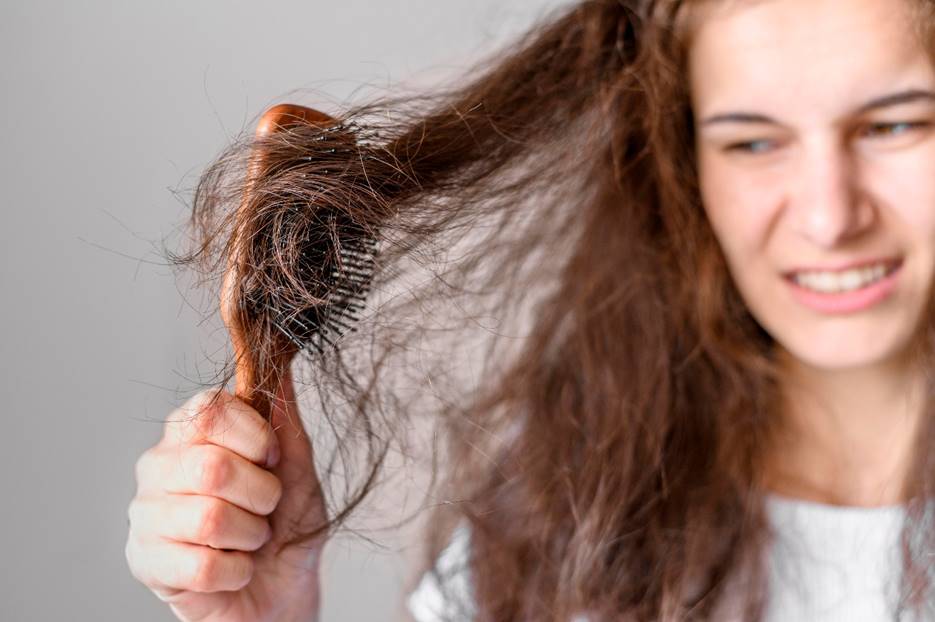
When density is lost, it can change the way you feel about your hair and yourself. If you are experiencing more shedding, widening of your part, and/or breakage after trauma, pregnancy and/or medical treatments—you are not the only one. To know more, visit this link for more information.
In this article, we will walk through ways to utilize Natural Beaded Rows (NBR) for delicate hair, as well as when to utilize another option.
Can Extensions Work with Thinning Hair?
Yes, but only with intention and care. The most important thing is finding a technique that will provide some fullness without putting excess tension on your roots. With NBR, your stylist applies small, lighter rows that only support the hair where your scalp can support it. Density is always customized for a secure feel that is also comfortable, while the placement of the rows is designed with the avoidance of any weakening of particular areas of your scalp.
You will have a discussion to go through health history, lifestyle, and styling habits to assist your stylist in protecting your strands and scalp. When it is time to install new rows, the stylist will be utilizing a low-tension technique, installing discreetly, and utilizing hand tied wefts that lay flat. In cases of excessive shedding or if there is tenderness present, your stylist may suggest growing some length back before applying extensions, or you can initiate with lighter and/or less rows.
Why Lightweight NBR Makes a Difference
Traditional extensions can feel very bulky and heavy, which is not ideal when experiencing delicate hair. With NBR, we use thin, flexible rows that provide the bulk without pressure while distributing weight evenly. This means that your hair can look thick while your scalp still feels itself. Lots of guests appreciate this process allows them to wear hair in an up-do or down without worrying about scalp exposure.
Here’s a few reasons why NBR hair extensions are a kind option for thinning hair:
- Lightweight design: The hand-tied wefts are discreet in fullness therefore they can lay naturally and stay gentle on fragile roots.
- Customized density: The number of wefts in each row can be adjusted by your stylist to accommodate your scalp tolerance and fullness goals.
- Even weight distribution: Rows allow load distribution of hair over a wider area thus decreasing stress load on individual strands.
- Lifestyle friendly wear: Even wear a ponytail or soft style wear because rows lay flat and don’t stick up.
The Consultation Process for Fragile Hair
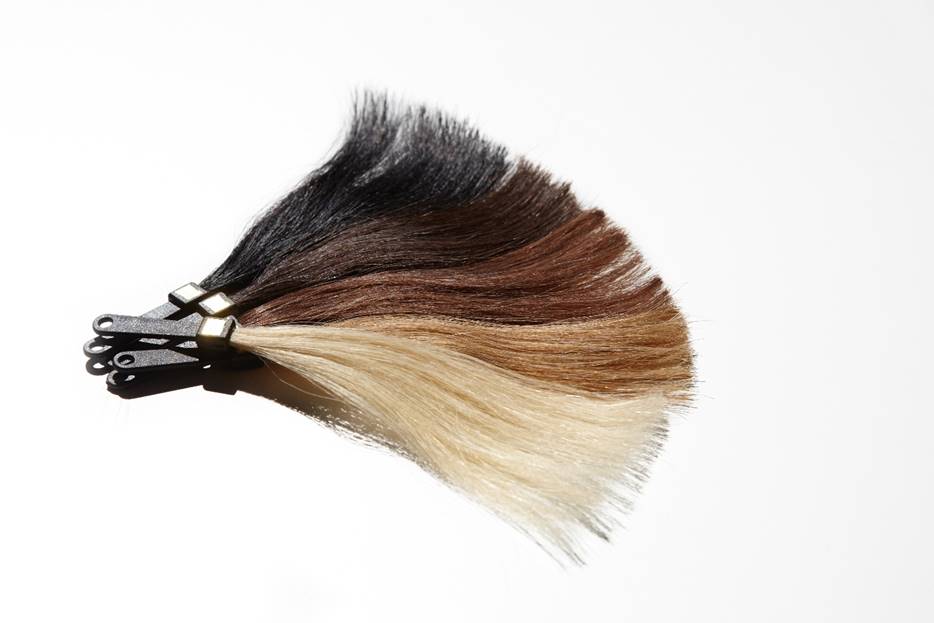
Your journey will start with full consultation of the health of your scalp and together you will map where your hair is strongest, sensitive areas, and a realistic plan to fullness and length goals. Pictures are helpful to track progress over the longer term while your stylist provides suggestions for gentle care from brushing to washing frequency.
The color will be customized to your needs using color blending to ensure that your rows disappear into your natural color. You will also review your at-home maintenance routine, and the timing for your first maintenance appointments to maintain tension on your scalp as your hair grows. If your hair loss is medical, your stylist may suggest coordinating the timing with your dermatologist to ensure it is safe and supportive for your individual process.
Confidence After Hair Loss Stories
Confidence doesn’t happen overnight, its build with small wins. Many guests share the first time they see the balanced shape around their face they felt like themselves again. Others find the best moment is wearing their hair in a loose ponytail, and for the first time are not worried how much people will see their extensions.
Here are example of clients sharing experience:
- Postpartum thinning: A subtle row that frames the face adds the natural volume they are missing so the edges do not look so see-thru on busy, wash and go hair days.
- Stress-related shedding: Two light-weight rows on the perimeter provide coverage and fullness so the guest feels confident when doing taking their hair in and out of a part.
- Gradual regrowth: When a guest is in the “grow-back phase,” rows placed provide coverage and shape while the density grows underneath.
Alternatives If NBR Isn’t the Right Fit
Extensions are not a one-size fits all option. Also, a high-quality topper or wig (https://en.wikipedia.org/wiki/Wig) may provide flexible coverage if hair and scalp are too weak, shed is active, or you want no weight added to hair. Clip in extensions may work for touch if lighter and not introduced on a daily basis. You might also secure supportive options like scalp friendly styling, nutrition support from licensed pros, or low-heat tools to protect new hair growth. Eventually you and your stylist can reconsider NBR with a conservative plan should you choose to.
No matter where you are in the journey, you deserve hair that is cozy, has great movement, feel natural and brings your poise back. With thoughtful practice and professional methods, you can take a step forward one soft and beautiful step at a time!