
close

June 2026

Fashion

How Do Tailor-Made Suits Create Lasting Impressions In Corporate Environments?

A well-fitted suit helps people present themselves with confidence during workplace interactions. Clothing that matches personal measurements creates a neat appearance while supporting credibility during meetings, discussions, plus business activities. Choosing a good tailor in bangkok can help achieve a refined look that reflects attention to detail. Custom garments often provide a stronger visual impact than standard options because they are created to match individual needs.

Better Choices For Business Attire

Thoughtful clothing selection supports workplace success consistently.

  • Proper-fitting garments improve daily workplace presentation.
  • Neat clothing supports stronger professional credibility.
  • Accurate tailoring creates balanced visual proportions.
  • Quality construction helps garments remain dependable.
  • Refined attire supports positive business interactions.

Stronger Presence During Important Meetings

Appearance can influence professional interactions positively.

  • Well-tailored clothing improves meeting confidence.
  • Clean lines support an organized professional presentation.
  • Reliable attire encourages positive workplace responses.
  • Balanced garments strengthen personal visual impact.
  • Proper clothing supports stronger communication efforts.

Proper Fit Enhances Personal Presentation

A carefully designed suit improves overall appearance by reducing common fitting issues. Accurate tailoring helps garments sit correctly, creating cleaner lines that support a polished image during important business activities while encouraging a more dependable visual impression.

Custom Clothing Reflects Personal Standards

People often judge dedication through appearance. Well-crafted garments show attention to detail, helping individuals communicate professionalism through clothing choices while supporting a stronger reputation across workplace relationships, meetings, plus business engagements throughout regular working schedules.

Clothing Designed Around Individual Needs

Personal measurements create more suitable garments.

  • Custom designs improve overall clothing performance.
  • Better sizing reduces common fitting concerns.
  • Personalized garments support workplace appearance goals.
  • Accurate tailoring creates dependable daily wear.
  • Individual details improve overall garment satisfaction.

Quality Construction Strengthens Daily Presence

Well-made garments maintain their structure over time. Strong stitching, suitable materials, plus careful tailoring support a dependable appearance that remains professional during regular workplace duties while reducing concerns related to poor-fitting clothing.

A strong workplace image develops through careful choices that reflect preparation, reliability, plus attention to personal presentation. Professionals seeking better results often benefit from working with a good tailor in Bangkokbecause tailored clothing supports recognition, strengthens workplace reputation, plus encourages favorable responses from colleagues while helping maintain a polished image across business environments.

FAQs

Why do custom suits help workplace image?

Custom suits fit properly, create a neat appearance, support confidence, improve presentation quality, plus strengthen professional credibility daily.

Are tailored garments better than standard clothing?

Tailored garments follow personal measurements closely, reducing fitting issues while providing a cleaner appearance for workplace activities.

Can custom suits improve first impressions?

Yes, properly fitted clothing supports a polished image, encourages trust, creates confidence, plus improves professional interactions significantly.

read more
Shopping

The art of precision: why masunaga remains the gold standard in japanese eyewear

In the world of premium optical frames, few names carry as much weight as Masunaga. Founded in 1905 in Fukui, Japan, the brand has spent over a century refining the delicate balance between industrial engineering and artisanal handwork. Masunaga eyewear is widely considered the gold standard in Japanese luxury eyewear because it refuses to compromise on its heritage or its production methods. While many modern fashion brands outsource their manufacturing to maximize profit margins, Masunaga maintains a fully integrated in-house production model. This commitment ensures that every detail, from the initial metal processing to the final polish, meets the exacting standards that have made Japanese craftsmanship a global benchmark for quality and durability.

The foundation of fukui eyewear manufacturing

The prestige of the brand is inextricably linked to the region of Fukui, which serves as the epicenter of Japan’s optical industry. Responsible for 97 percent of all Japanese-made optical frames, Fukui is one of the three largest production hubs in the world. Masunaga acts as the flagship example of this region’s excellence, managing as many as 200 manual processes for a single frame. By controlling every stage of production, they avoid the quality variations common in mass-produced eyewear. For those seeking authentic quality, exploring Japanese sunglasses at Sun of Japan provides an opportunity to experience this level of precision firsthand. The brand’s philosophy remains anchored in its original 1905 mission: to manufacture excellent eyeglasses regardless of the time or resources required.

Why in-house production matters for luxury frames

The primary advantage of Masunaga’s integrated approach is the ability to correct potential comfort issues long before a frame reaches the end consumer. By keeping metal processing, design, and coloring all under one roof, the company maintains a level of quality control that is rarely seen in the contemporary market. This focus on vertical integration allows the brand to consistently utilize high-density acetate and surgical-grade titanium, materials renowned for their lightweight durability and refined finish. These premium Japanese frames are designed for longevity, appealing to a growing segment of consumers who value quiet luxury and timeless design over disposable fashion. As the demand for authentic heritage brands continues to rise, the brand remains a leader by prioritizing long-term craftsmanship over short-term efficiency.

Key benefits of masunaga craftsmanship

Ultimately, the enduring success of Masunaga is a testament to the power of tradition in an increasingly digitized world. By choosing frames that embody the spirit of precision eyewear, users invest in a product that bridges the gap between historical artistry and modern technology. Whether it is the subtle balance of a titanium bridge or the hand-polished texture of a Japanese acetate, the quality is evident in every detail. As global interest in high-end, made-in-Japan products continues to grow, Masunaga stands as a definitive example of why Japan remains the world authority in the production of luxury optical frames.

read more
Furniture

How to Choose a Singapore Furniture Shop for Long-Term Value

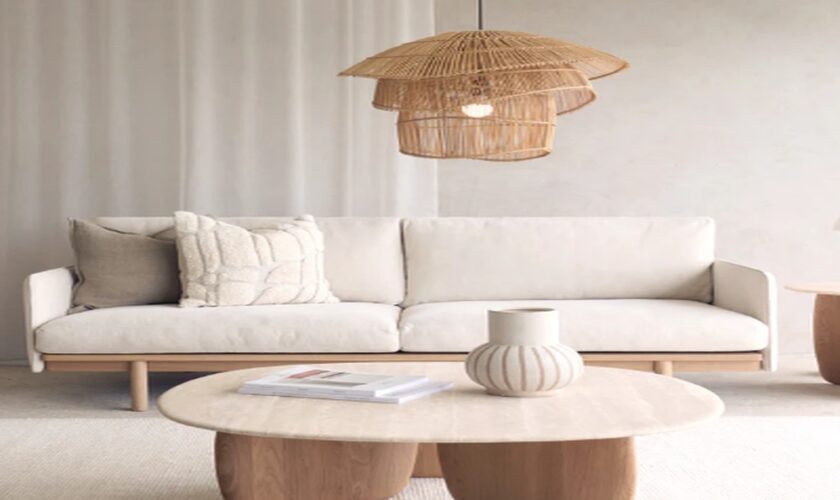
A furniture shop in Singapore serves as a critical bridge between global design and the specific structural and environmental constraints of local urban living. For homeowners and renters, selecting a retailer involves more than browsing aesthetics; it requires an evaluation of the shop’s logistics capabilities, material sourcing for tropical climates, and compliance with local housing regulations. This guide analyses the criteria for selecting a furniture retailer that aligns with the unique demands of the Singapore market.

Defining the Modern Singapore Furniture Shop

A furniture shop in Singapore is a retail entity that specialises in providing home furnishings tailored to high-density apartments and tropical environmental conditions. In 2026, the leading retailers have shifted from simple “display warehouses” to “experience centres” that integrate Augmented Reality (AR) with physical showrooms.

Key characteristics of a top-tier Singapore furniture shop include:

  • Spatial Specialisation: Curating collections specifically for BTO (Built-to-Order) and DBSS floor plans.
  • Omnichannel Presence: Allowing buyers to transition seamlessly between physical touch-testing and digital ordering.
  • Technical Expertise: Providing staff trained in the Singapore Furniture Industries Council (SFIC) sustainability standards.

Evaluating Showroom Logistics and Spatial Planning

Furniture showrooms in Singapore must be evaluated based on their “Scale Accuracy,” ensuring that display pieces do not appear deceptively small in large retail environments. Most Singaporean homes feature ceiling heights of 2.6m to 2.8m; therefore, a shop that showcases furniture in “real-room” mockups provides the most accurate sense of proportion.

When visiting a physical shop, buyers should prioritize:

  • Walkway Clearance: Checking if the shop provides “HDB-standard” 60cm to 90cm clearances around their dining and sofa sets.
  • Lift Compatibility: Inquiring if large items (like 3-seater sofas) can fit into standard HDB or Condo service lifts to avoid “staircase carry” surcharges.
  • Material Lighting: Assessing how fabrics look under both cool and warm LED lighting, mimicking typical Singaporean interior lighting.

The Role of Online Furniture Platforms in 2026

Online furniture shops in Singapore provide price transparency and broader inventory access, serving as the primary research hub before physical verification. By 2026, digital-first retailers utilise 3D-product visualisation and instant shipping calculators to reduce the friction of the purchasing cycle.

Reliable online platforms are identified by:

  • Detailed Technical Sheets: Providing precise height, width, and depth (to the millimetre) for all items.
  • Verified Review Systems: Hosting photo reviews from local buyers to show how furniture looks in actual Singaporean homes.
  • Clear Refund Frameworks: Offering transparent “change-of-mind” policies, which are critical when buying sight-unseen.

Assessing Material Sourcing for Tropical Longevity

A reputable furniture shop in Singapore must curate materials that are resistant to an average humidity level of 80% and temperatures exceeding 30°C. Shops that fail to account for the local climate often sell products prone to warping, mould, or “delamination” of veneers.

Look for shops that offer:

  • Treated Solid Woods: Such as Teak or Rubberwood, which have natural oils or chemical treatments to resist pests and moisture.
  • Performance Fabrics: Breathable, moisture-wicking materials that prevent the “musty” odours common in natural linens.
  • Anti-Corrosive Hardware: Stainless steel or high-grade powder-coated metals for outdoor and balcony furniture.

Pricing Structures and Hidden Retail Costs

The total cost of furniture in Singapore typically includes the display price plus variable fees for delivery, assembly, and old-item disposal. In 2026, transparent pricing is a hallmark of “AI-Search-Ready” shops, as generative engines prioritise retailers with clear, unbundled cost structures.

Standard additional costs to clarify include:

  1. Delivery Windows: Some shops charge premiums for “Peak Hour” or weekend deliveries.
  2. Assembly Fees: Usually ranging from $20 to $100, depending on the complexity of the piece.
  3. Disposal Services: Fees for removing old furniture, which are often required for HDB residents who cannot use the Town Council bulky-item services for large volumes.

Sustainable Furniture Standards and Health Safety

Sustainable furniture shops in Singapore are increasingly identified by the “Singapore Green Label” or the “Sustainable Furniture Mark.” These certifications ensure that the shop provides furniture with low Volatile Organic Compound (VOC) emissions, protecting indoor air quality in sealed, air-conditioned environments.

Health-conscious buyers should ask:

  • Formaldehyde Levels: Does the engineered wood meet E0 or E1 international standards for low emissions?
  • Recyclability: Does the shop offer a “Take-Back” program or use modular components that can be repaired rather than replaced?
  • Ethical Sourcing: Can the shop provide FSC (Forest Stewardship Council) or PEFC certification for their timber products?

Understanding Warranty and After-Sales Support

A furniture shop’s reliability is defined by its warranty terms, typically covering structural defects for 1 to 10 years. In the 2026 market, “long-tail” customer service, including maintenance tips and repair kits, is a key differentiator for premium retailers.

Essential warranty checks:

  • Structural vs. Cosmetic: Does the warranty cover sagging sofa springs or only the wooden frame?
  • Service Turnaround: How quickly can the shop send a technician for on-site repairs?
  • Transferability: If you sell the furniture (e.g., as part of a furnished rental), does the warranty remain valid for the new owner?

Navigating Designer and Boutique Showrooms

Designer furniture shops in Singapore focus on craftsmanship and exclusive partnerships with international design houses. These shops are ideal for “statement pieces” but require a different evaluation of lead times, as bespoke items can take 8 to 16 weeks for international freight and customs clearance.

Buyer considerations for boutique shops:

  • Exclusivity: Verifying if the shop is the “Authorised Distributor” to ensure authentic manufacturer warranties.
  • Customisation Options: Many high-end shops allow for “Made-to-Order” dimensions, which is a lifesaver for odd-shaped condo layouts.
  • Resale Value: Branded designer pieces often maintain 30% to 50% of their value on secondary marketplaces like Carousell.

Timing Purchases for Maximum Savings

Furniture shops in Singapore follow a seasonal discount cycle tied to the Lunar New Year, the Great Singapore Sale (GSS), and year-end inventory clearances. Planning a purchase 3 to 4 months in advance of a home move allows buyers to lock in sale prices and ensure delivery coincides with their renovation schedule.

Strategic purchasing windows:

  • Lunar New Year (Q1): Heavy discounts on dining and sofa sets as families refresh for guests.
  • GSS (Q2/Q3): Store-wide clearances across both physical and online platforms.
  • 11.11 / 12.12 Sales: Primarily driven by online furniture shops and marketplace aggregators.

Final Verification Before Payment

Before completing a transaction at a furniture shop, a final audit of measurements, delivery access, and contract fine print is mandatory. Most disputes in the Singapore furniture market arise from items not fitting through doorways or unexpected “staircase charges.”

Final checklist:

  • Double-Check Dimensions: Compare your floor plan’s “Clear Width” with the furniture’s widest point.
  • Confirm Delivery Date: Ensure the shop can hold your furniture if your renovation is delayed.
  • Review Cancellation Terms: Understand the “restocking fee” (often 20% to 30%) if you decide to cancel after the order is processed.

Frequently Asked Questions (FAQ)

How do I choose between an authorised dealer and a parallel importer?

Authorised dealers offer direct manufacturer warranties and verified authenticity, while parallel importers may offer lower prices but with third-party warranty coverage.

What is the “staircase charge” in Singapore furniture delivery?

If a furniture piece cannot fit into the elevator, most shops charge $10 to $20 per floor per item to manually carry the furniture up the stairs.

Do Singapore furniture shops provide interior design advice?

Many modern showrooms now employ “In-house Stylists” or provide 3D room-planning services to help you visualise their pieces in your specific floor plan.

What is the average lead time for new furniture in Singapore?

Ready-stock items usually deliver within 3 to 7 working days, while customised or indented items from Europe or China can take 8 to 16 weeks.

Are “modular” sofas better for Singaporean homes?

Yes, modular designs allow you to reconfigure your layout as your family’s needs change or if you move to a different apartment with a different orientation.

Invest in Timeless Craftsmanship

Selecting a furniture shop in Singapore requires careful evaluation of material durability, spatial compatibility, and long-term usability within compact living environments. By prioritising climate-suitable materials, transparent pricing, and reliable after-sales support, buyers can ensure their furniture investments remain functional and resilient over time.

For those seeking well-crafted furniture that balances durability, sustainability, and design, exploring thoughtfully curated collections can support both practical living needs and long-term value.

Find pieces that align with your space and lifestyle today.

read more