
close

October 2026

Shopping

How to Choose Sunglasses Customers Will Actually Want to Wear

Lots of sunglasses shine in catalogs but collect dust on shelves. The lighting is soft, the model attractive, and the angle smart. Once you open the box and hold the genuine article, the enchantment ends. Finding frames that folks actually want on their faces is a whole different mental exercise. It’s not about what pops in a photo. It’s about what feels right once it’s in your hand and up against the mirror.

Try Them On Yourself

Obvious, right? Almost nobody does it anyway. Before you lock in a style, grab the sample pair, put it on, and just leave it there a few minutes. Are the arms pinching behind your ears? Is the bridge creeping down the instant you dip your head? Can you actually see through the bottom of the lens, or has the world gone a bit swimmy? A frame that bombs this test is going to bomb in the store, too, except there the customer just hangs it back up and strolls off, and you never hear a word about why.

Shapes That Flatter Real Faces

Wide faces want wider frames. Round faces tend to do better with something angular. Narrow faces disappear under oversized lenses. Your rack has to cover all of it, because the people walking in cover all of it. Classic shapes are the ones that carry a season. Aviators, squares, soft rounds, a tasteful cat eye, those keep moving from May right through August. Trendy stuff is worth a few hooks, because the energy it brings to a display is real, but it slides into the clearance pile faster than you’d ever expect.

Lenses People Can Actually See Through

Hold a lens up and look at a straight line somewhere across the room. A doorframe is perfect. If the line bows or wobbles, the optics are junk, and the person wearing them has a headache coming inside the hour. Tint is its own thing. Gray and brown lenses leave colors looking natural, and that’s precisely why they fly off the shelf. Mirrored and colored lenses have their crowd, especially the younger shoppers, so a few of those earn their keep. UV protection, meanwhile, isn’t up for debate. People ask about it now, and good on them for asking.

Build the Mix Around Your Crowd

A beach shop and a truck stop need completely different racks. One is selling bright, playful frames to families in flip-flops. The other is selling tough wraparounds to drivers squinting into the glare all day. Figure out who’s really coming through your door. Then build the mix to match them. Retailers ordering bulk sunglasses from a supplier like OE Wholesale Sunglasses can reach into a wide range of shapes, tints, and price tiers. This makes putting together a lineup for one particular crowd far easier than caving to some one-size-fits-all box. The closer your rack sits to your actual customers, the less you’ll slash prices later.

Let the Rack Teach You

Your best teacher isn’t a trend report. It’s what you sold last season. The three styles that cleared out first already told you, loud and clear, what your shoppers are into. So reorder those. Then throw in a cousin or two from the same family, a new color maybe, or a lens that’s a touch bigger. Slowly you end up with a rack built on what people actually buy instead of what you hoped they’d buy. That’s when a display finally starts pulling its weight.

Conclusion

Picking sunglasses well really comes down to one question. Would an ordinary person wear these all day and forget they’re even on? Comfort sells. Comfort comes back for more.
read more
2

Android The World Most Popular Mobile Operating System

Android: The World’s Most Popular Mobile Operating System

Android is an open-source mobile operating system developed by Google. Since its official launch in 2008, Android has grown into the most widely used operating system for smartphones, tablets, smart TVs, wearables, and a wide range of connected devices. Its flexibility, customization options, and vast app ecosystem have made it a global standard in mobile technology.

The Origin and Development of Android

Android was originally created by Android Inc., a small startup founded in 2003. Google acquired the company in 2005 and transformed Android into a powerful platform designed to compete in the emerging smartphone market. The first commercial Android device, the HTC Dream, was released in 2008. Since then, Android has evolved through regular versions, each introducing performance improvements, new features, and enhanced security.

Open-Source Philosophy

One of Android’s key strengths is its open-source nature. The Android Open Source Project (AOSP) allows manufacturers and developers to modify and adapt the system to their own needs. This approach has led to a huge variety of devices—from budget smartphones to premium flagship models—running on Android. It also encourages innovation and competition among hardware manufacturers.

Customization and User Experience

Android is known for its high level of customization. Users can personalize their devices with widgets, themes, launchers, and custom layouts. Notifications are flexible and interactive, allowing quick responses and actions directly from the notification panel. Android also supports deep system-level customization, which appeals to advanced users and developers.

The Android App Ecosystem

The Google Play Store hosts millions of applications covering productivity, entertainment, education, health, and gaming. Android apps are primarily built using Java or Kotlin and supported by powerful development tools such as Android Studio. The platform also allows third-party app stores and direct app installations, making software distribution highly flexible.

Security and Updates

Android includes multiple layers of security, such as app sandboxing, permission controls, encryption, and Google Play Protect. Over time, Google has significantly improved update delivery, especially with features like modular system updates and monthly security patches. Many manufacturers now provide longer support periods for their devices.

Android Beyond Smartphones

Android is not limited to phones. Android TV powers smart televisions, Wear OS supports smartwatches, and Android Auto integrates smartphones with car infotainment systems. The same ecosystem extends to tablets, foldable devices, and even IoT solutions, making Android a unified platform across many device categories.

read more
Shopping

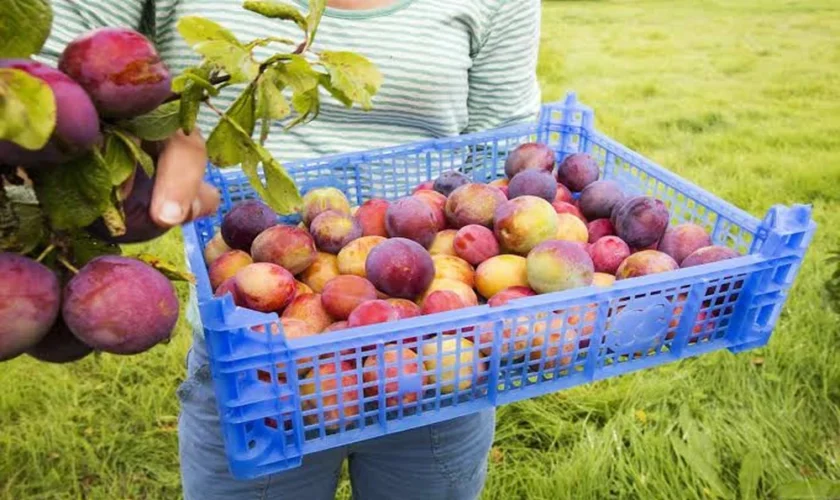
What to Know Before Choosing Fruit Trees for Sale for School and Community Gardens From a Specialist Nursery

A school or community garden asks more from a fruit tree than a private border usually does. The tree may be cared for by different people, visited by children or volunteers, and expected to teach, feed, shade, or mark the seasons. That makes clarity more important than novelty.

Shared spaces often work best when the tree is easy to understand. People need to know where to water, when to pick, how to protect the trunk, and who checks the tree during holidays or busy weeks. A planting decision should be robust enough to survive imperfect routines.

The right tree can become a long-term feature of the site. Blossom, fruit, wildlife interest, and seasonal change all help people connect with the garden. The wrong tree can become a source of mess, confusion, or unsafe access.

For UK schools and community gardens, the strongest choices are usually manageable, visible, and forgiving. They invite involvement without depending on one highly skilled person being available every week.

A shared garden needs a tree that several people can understand and care for. The specialist nursery team at ChrisBowers says schools and community groups should check watering responsibility, picking height, protection from strimmers or footballs, and the route people use around the planting area. Their advice is to choose a tree whose care can be explained simply, with a clear base and enough space for groups to gather without standing on the root zone. They also recommend thinking about harvest use before planting, because a crop is more valuable when someone is ready to cook, share, or store it. The best shared-space tree becomes part of ordinary activity rather than a plant that only one volunteer understands.

It is also worth remembering that productive planting is not separate from design. A fruiting plant changes the view, the movement through the space, and the way the garden feels in different months. Blossom, leaf, branch structure, and harvest all have visual weight. Choosing carefully means the plant contributes to the whole garden, even outside the main cropping period. That wider value is important in British homes where outdoor space often has several jobs at once.

A small amount of planning also protects the pleasure of the harvest. Fruit gathered from a plant that fits the garden feels generous; fruit from a plant in the wrong place can start to feel like work.

Start With Responsibility

Shared gardens need clear care habits. A gardener who answers this early usually avoids the expensive kind of disappointment that only becomes visible after several seasons.

A careful buyer will decide who waters, checks, prunes, and harvests before the tree is planted. That step gives the tree a defined role instead of leaving it to cope with whatever space is left.

The risk is assuming goodwill will automatically turn into regular care. When the tree is young, the problem may look harmless, but it can shape pruning, watering, and harvest work for years.

School holidays and volunteer changes can interrupt even enthusiastic projects. That is why observation is so valuable: it replaces general optimism with evidence from the actual site.

A simple responsibility plan protects the young tree during establishment. When care is convenient, small checks happen before small problems become large ones.

The choice should also leave room for adjustment. British gardens rarely behave in exactly the same way every year, and a practical layout lets the gardener respond to dry spells, wind, growth, or heavier crops without rethinking the whole space.

Seasonal thinking adds another useful test. If the same position works for spring blossom checks, summer watering, harvest access, and winter pruning, the gardener has found a place that supports the plant through the whole year.

The planting has support beyond the first excited week. Over time, that steadiness is more valuable than a choice that looked impressive only at the point of purchase.

Choose a Reachable Size

A community tree should not depend on ladders or risky access. In a British garden, the small planning questions often have more influence than the most persuasive variety description.

The useful move is to select rootstock and form that keep pruning and picking at a sensible height. That gives the gardener a way to compare options by suitability rather than by excitement alone.

The mistake to avoid is creating a crop that nobody can gather safely. A fruit plant is forgiving in some ways, but it cannot easily escape a poor position or unsuitable scale.

Wet grass, uneven ground, and busy sites make tall harvesting less suitable. These details can make two gardens in the same street behave differently, so the final choice should not be generic.

Reachable fruit invites participation and timely picking. That kind of basic attention usually matters more than occasional bursts of effort.

This is why restraint is often productive. Choosing a plant that fits comfortably can give better results than filling every available gap and then trying to manage the consequences later.

The long view matters because the first season is only an introduction. A tree or bush that receives steady early care is more likely to settle into healthy growth and become easier, not harder, to manage.

The tree remains inclusive and practical. The final tree feels chosen for the garden, not forced into it.

Protect the Trunk and Root Zone

Shared spaces often have heavy foot traffic. For UK school gardeners, community garden organisers, allotment groups, and volunteers choosing fruit trees for shared spaces with many users, that detail affects the crop, the look of the garden, and the amount of care the tree receives after planting.

A sensible decision is to use mulch, edging, guards, or clear boundaries to protect the young tree. It turns a broad intention into something that can be checked against the garden itself.

The common trap is letting people compact soil or damage bark by accident. It often comes from treating the first season as proof that the long-term choice was sound.

Paths, play areas, and informal shortcuts can shift over time. The tree does not need perfect conditions, but it does need conditions that the gardener understands and can support.

Visible protection helps users understand where not to stand. The tree then becomes part of the garden’s normal rhythm rather than a special project that is always waiting for time.

A good planting decision has a quiet quality. It does not draw attention to itself as work; it simply makes watering, pruning, checking, and harvesting feel like natural parts of being in the garden.

It is worth considering the less glamorous months too. Bare branches, wet soil, short days, and leaf fall all reveal whether the planting has been placed with enough thought.

The tree establishes despite regular activity nearby. This is how a practical choice becomes a satisfying one over several seasons.

Plan the Crop’s Use

Fruit should have a purpose when it ripens. It sounds simple, but it changes the buying decision because the tree must work in a real place rather than in an ideal description.

The practical response is to decide whether crops will be cooked, shared, stored, taught with, or eaten fresh. Once that is clear, the remaining choices become easier to sort.

What causes trouble later is letting fruit drop because nobody has a harvest plan. Once roots are established, correcting that mistake becomes more disruptive than preventing it.

UK autumn schedules can be busy for schools and community groups. A choice that respects those limits is usually easier to keep healthy than one made from enthusiasm alone.

A use plan turns harvest into a shared event. Practical access is a quiet form of insurance because it encourages timely watering, pruning, and picking.

It also helps to picture the decision on an ordinary weekday. The tree or fruiting plant has to sit beside real paths, tools, weather, and household habits, so the most useful choice is the one that still looks sensible when the garden is busy rather than freshly tidied.

The gardener should be able to repeat the care without needing perfect conditions. That is especially important in the UK, where a useful task may have to fit between rain, work, and daylight.

The crop strengthens the garden’s value to people. The result is a planting decision that still makes sense when the tree is larger, the season is busier, and the garden is being used every day.

Make Seasonal Learning Easy

A tree can teach through the whole year. This is where practical gardening begins, especially when space, weather, and household routines are already fixed.

Gardeners do best when they place it where blossom, insects, leaves, fruit, and winter structure can be observed. This keeps the purchase connected to care, access, and likely results.

In shared spaces, fruit trees for sale should be assessed by responsibility, safe access, and visible care routines as well as crop type.

The avoidable problem is hiding the tree where only the crop is noticed. It rarely appears as a crisis on planting day, which is exactly why it deserves attention earlier.

Seasonal change is one of the strengths of outdoor learning in Britain. Planning for that reality is not pessimistic; it is the route to a tree that settles and crops with less drama.

Visibility encourages regular checking and conversation. This also makes routine care easier to repeat, which is important after the first flush of enthusiasm has passed.

The same point applies when the garden is viewed from indoors. A plant that looks balanced from the kitchen window, does not interrupt movement, and remains easy to check will be noticed more often and cared for more naturally.

Good planning also protects enthusiasm. When the plant is easy to reach and its needs are understood, the gardener is more likely to keep enjoying it after the novelty has passed.

The tree becomes part of the site’s identity. That is the difference between a tree that merely survives and one that becomes a settled feature.

Keep Maintenance Plain

Complicated care plans rarely survive in shared settings. The point is not to make the choice complicated; it is to make the choice honest before the tree becomes permanent.

The decision should be to choose a tree with straightforward pruning, watering, and feeding needs. It may feel less dramatic than choosing by name, but it gives the tree a stronger start.

The weak point in many plans is selecting a demanding option because it sounds distinctive. A little caution before ordering can prevent a lot of untidy correction afterwards.

Community gardens need resilient choices that tolerate ordinary delays. This local context matters because garden advice works best when it is translated into the exact conditions outside the back door.

Plain routines make it easier for new helpers to join in. The best care plan is the one that fits an ordinary week, not a perfect gardening weekend.

There is a design value here as well as a cropping value. A fruiting plant gives blossom, foliage, structure, and seasonal change, so its place in the garden should make sense even before the crop is ready.

The real measure is whether the plant becomes easier to live with as familiarity grows. Each season should teach the gardener something helpful, not expose a mistake that was avoidable at the start.

The tree stays healthy without becoming a specialist burden. The garden gains fruit without losing the comfort, movement, and proportion that made the space useful in the first place.

That final point brings the wider subject back to shared-space fruit planting, where robustness, access, clear responsibility, safety, harvest use, and simple maintenance matter more than private garden preferences. A good choice should still feel useful after the first season, after the first pruning decision, and after the first imperfect spell of weather. When the tree or fruiting plant fits the site and the gardener’s routine, it becomes easier to enjoy the harvest without turning the garden into a source of pressure.

read more