

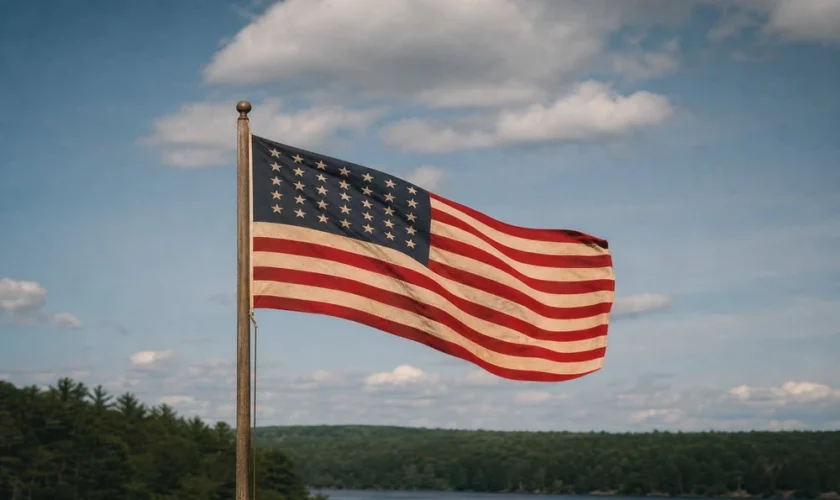
Flags for reenactment groups, schools, heritage organizations, and museums. Flags, as you can find meaning here, can add authenticity and interest to displays and events. Flags can help tell the story of a place or event and add interest to museum displays and historic or commemorative events.
Flags can be difficult to research. There are so many versions of flags that at first glance may look the same. One extra star or a different stripe configuration can totally change the story a flag tells. Here are some tips to help make sure that your flag will be appropriate for the event, era and story you want it to tell.
Start with the Story You’re Telling
Think about how your flag will be displayed and when it will be needed. Will it be in a museum display case, in a classroom, in a parade or outdoor event or reenactment, on a stage, etc.? Knowing how and where your flag will be displayed can help you make sure it will be appropriate for the setting and environment. It’s also important to find out when you need your flag so that it will be delivered on time.
Narrow the focus of the time period. Instead of looking for a colonial-era flag, identify the specific time period, person, organization, ship, town, etc., that you want represented by your flag. Note down as much information as you can about what you want represented. Some things to consider would be:
- Time period/year(s)
- Organization/town/regiment/etc
- Official/unofficial/ceremonial/commemorative flag
- Colors, emblems, words, etc
- Display setting
Keep in mind that some flags were painted instead of embroidered/sewn on, some flags were different on each side, and some flags that are commonly thought of as being from a particular time period were actually commemorative flags made later. For example, some colonial flags (explained at https://en.wikipedia.org/wiki/Flag_of_the_United_States) have emblems or images that were only on one side of the flag and were actually painted on instead of embroidered/sewn on. Other colonial flags are actually commemorative flags made after the colonial period.
Think of your flag as an artifact instead of just something decorative. When looking at flags keep in mind that the most common flag may not be the best choice for your needs. You want to make sure that you get the best representation of the time period/person/event that you’re looking for. Also, you want to keep in mind how the flag will be used/displayed to make sure that it will work in its intended setting. A flag in a museum case will have different needs than a flag that will be used at a reenactment or in a parade.
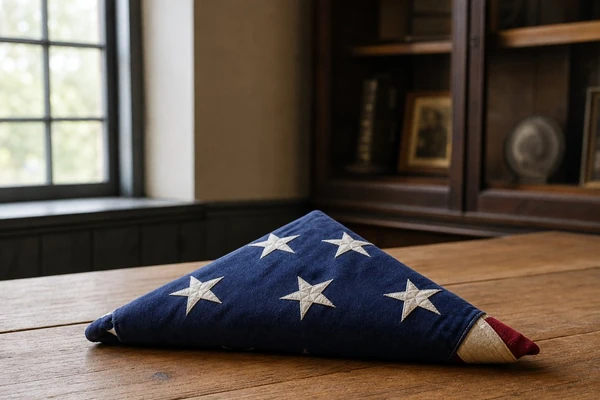
When viewing flags online, be sure to check out all of the details. Some things to keep in mind would be:
- Dimensions of flag
- Fabric
- Emblems embroidered, appliquéd, or printed
- Edges finished/appropriate for display method
- Sleeve, grommets, etc
- Custom options
If there is a specific flag that you’re looking for with specific stars/emblems/configuration, be sure to verify that it will be reproduced as pictured and not just similar to the picture. A pictured design that already matches your needs may not require a custom request, while Ultimate Flag Co takes on reproduction requests involving specific stars, emblems, and configurations. Sometimes the picture online can be very small and the details hard to see, so don’t be afraid to contact the company with any questions!
If there is any dispute or debate about a flag’s design, you may want to mention that in your display information instead of presenting the flag as definitive. You can note that the flag represents one version of a particular flag.
Make the Display Fit the Space
Consider the display space when determining the size of your flag. Don’t forget to factor in display case/wall dimensions. Take into account any labeling, lighting, or other artifacts that will be displayed with the flag.
Think about how the flag will be displayed. If it’s a reproduction or sturdy flag, you can display it in just about any way that you’d like. For reproduction flags, it’s best to avoid anything that causes unnecessary creases, folds, or stress on the flag.
Leave Time for Inspection and Records
Order flags with plenty of lead time, especially if it’s for a special event. Allow time to inspect the flag to make sure that everything looks good (colors, stitching, hardware, size) and that it will fit/display well in the intended location.
If your flag is for a museum display/special event/educational purpose, it might be a good idea to order a backup flag. That way you can rotate the flags or retire one of them if one gets damaged in shipping, etc.
Save all information on the flag/order/packaging in a file in case you need to reorder the flag in the future. If you display an actual flag, make sure to document the condition of the flag before and after display.
Once the flag arrives, make sure to inspect it. Lay it out in its intended display area and make sure that everything looks good from afar and up close. Are the colors accurate? Are the labels legible? Is the hardware showing? Take some pictures of the flag installed for future reference and leave directions for future volunteers/staff on how to take it down/display it.